When you click on links to various merchants on this site and make a purchase, this can result in this site earning a commission. Affiliate programs and affiliations include, but are not limited to, the eBay Partner Network.
I've been having what seems to me to be fuel problems in my '87 22re w/ AT.
New plugs, wires, cap, rotor (all Toyota / NGK). Pulled throttle body, cleaned, bench set TPS, replaced accordion intake hose, replaced O2 sensor. Haven't looked at the VAFM, yet. Tested all vacuum hoses with carb cleaner, no change in idle.
Cold starts and runs fine. After 2-3 minutes of warming up, it begins to surge - not a lot, probably less than 100 RPM. After it's warmed I turn it off, wait a few minutes, and it's pretty difficult to start. Once running, it seems okay, but not as much power as I think it used to have. After it's been driven a while sometimes it stumbles and quits when I put it in gear.
I borrowed a fuel pressure gauge from my local O'Reilly's and here are the results, per the FSM test procedure:
Fp jumped to B+, ignition on, engine off: 28psi (below spec)
Engine running at idle, pressure regulator vacuum hose off & plugged: 30 psi (below spec)
Engine running at idle, pressure regulator vacuum hose reconnected: 28 psi (barely within spec, low being 27 psi)
Shut off engine, monitor gauge, down to 1 psi in about 10 seconds - way faster than spec.
The book says it could be the the fuel lines, the fuel filter, a leaking injector, the fuel pump, or the fuel pressure regulator. I replaced the fuel filter with a NAPA part about 15K miles ago. The PO says he replaced the fuel pump about 10K miles ago with, I believe, a Carquest part.
Assuming the gauge is accurate, and given the low pressure, I'm wondering if a faulty fuel pump can also cause the rail pressure to drop to nearly zero in a few seconds? I assume there's a check valve in there? And how much difference does being 4-5 psi low at the cold start injector really make?
Will a bad pressure regular also exhibit these same symptoms? Any other suggestions?
I guess what I'[m getting at is that I'd rather not have to pull the tank, but if that's what it takes....
yes, could also be regulator. clogged fuel pump/lines, or pump sucking up debris as it runs, releases upon turning off, repeat when turning on.
Originally Posted by mustrmrk
...
I guess what I'[m getting at is that [color=#2980b9]I'd rather not have to pull the tank, but if that's what it takes....
A problem well-stated is almost solved. You do not say model. A 4Runner's fuel pump much easily-accessible compared to a truck's. It is right under the right rear passenger seat.
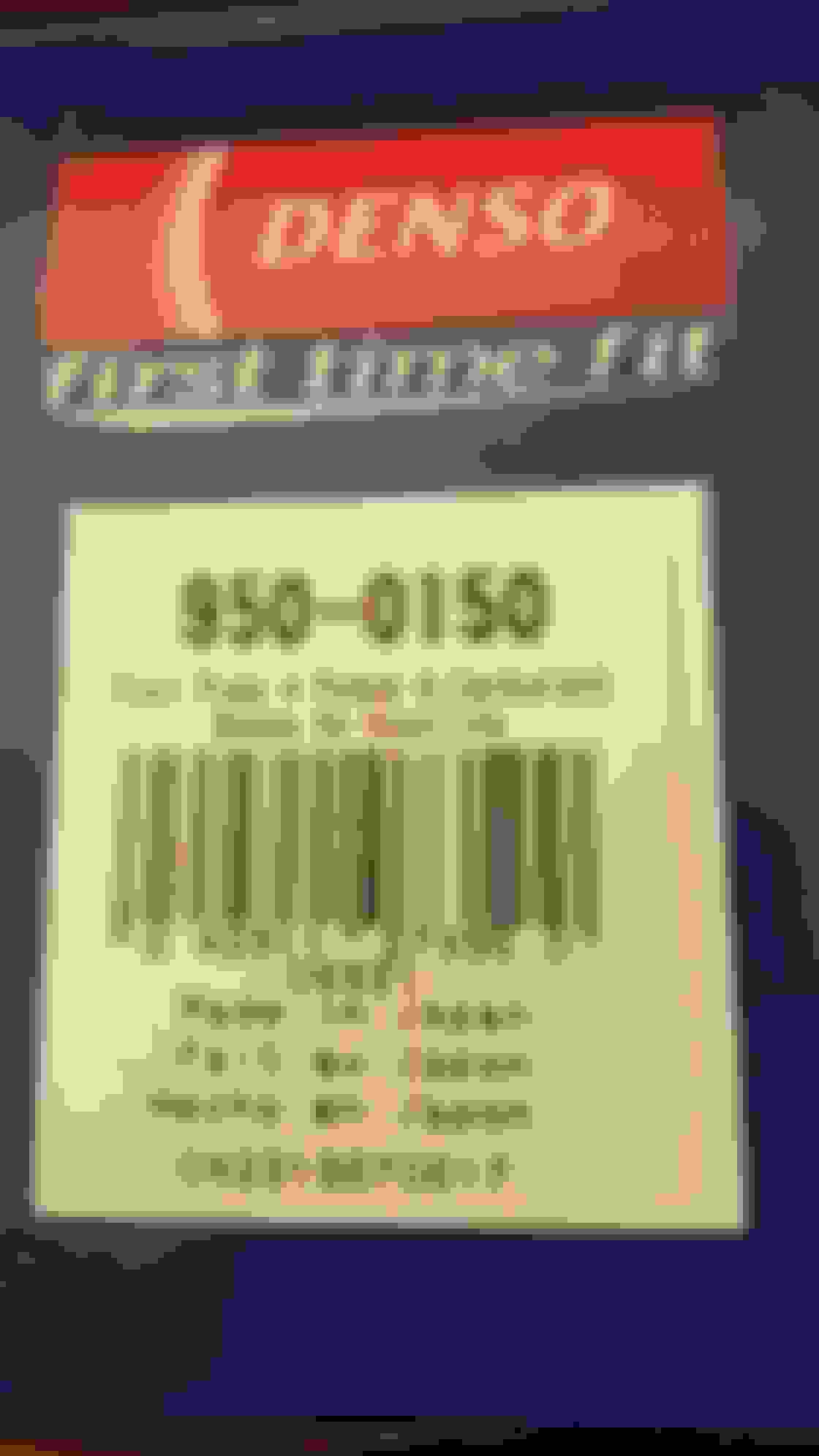
Anyway, Wanna make sure I have spare fuel pump handy, in case original fails without warning, so I got the Denso OEM FP and seal (again, in case old seal is damaged). I'm getting healthy fuel pressure as indicated by pressure gage piggy-backed on my CSI, so I"ll not fix what's not broken.
I have the new one well-sealed and stashed in truck body cavity that I have retrofitted for storage.
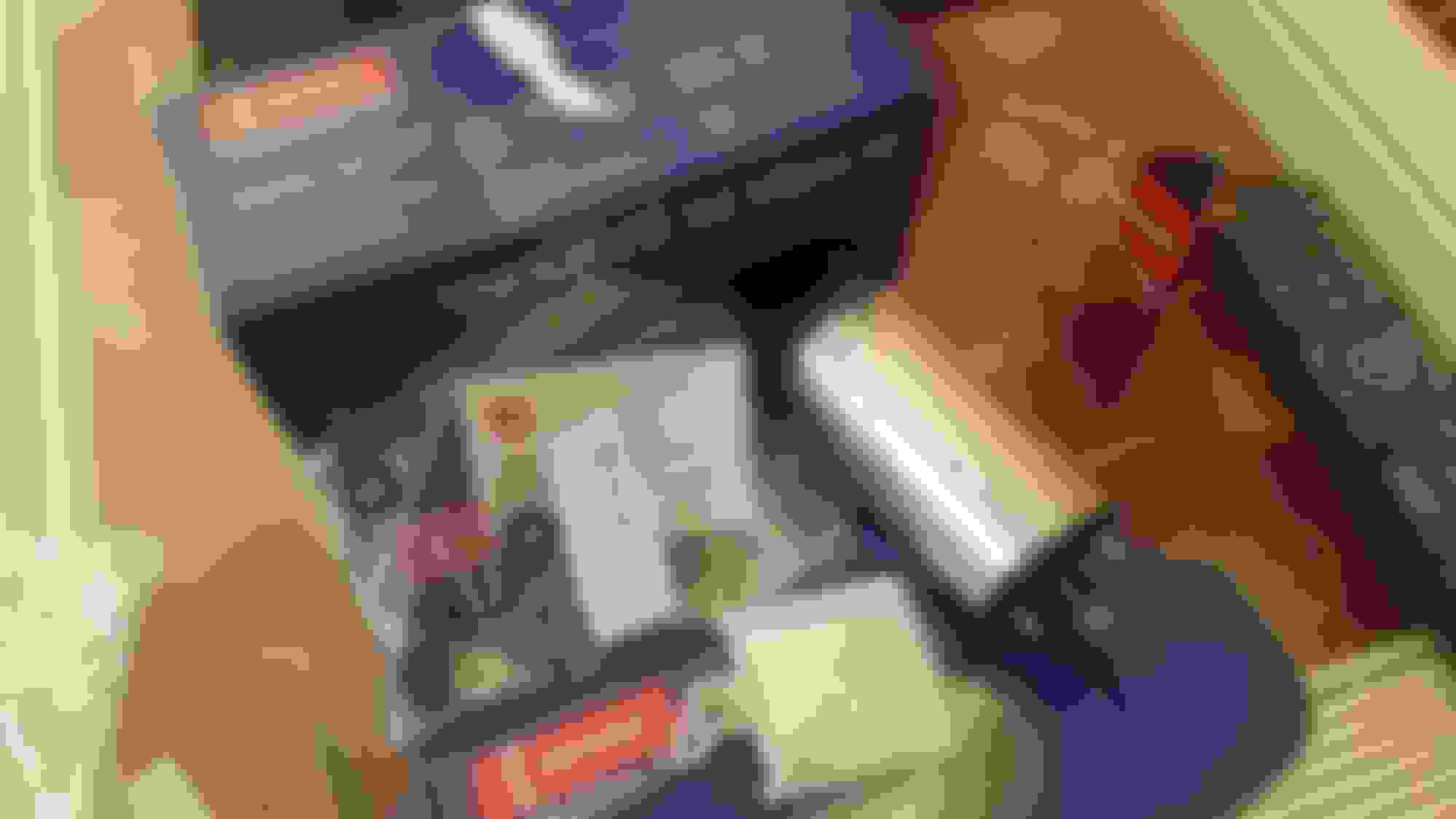
Photo shows basic/essential tools needed for replacement. Odd that my crow's foot wrench set does not have a 19-mm one. Anyway, original nut is in excellent condition and I wetted parts with PB Blaster to aid in loosening if and when needed.
FORGOT WHERE I BOUGHT FROM BUT compare NAPA, Toyota Parts Deal, McGeorge Toyota, Lakeland Toyota online.
Tools Needed, IF 4Runner. I wetted fittings and screws with PB Blaster to facilitate loosening when needed.
Last edited by RAD4Runner; Sep 8, 2021 at 12:06 PM.
Roadrunner,
Thanks for the writeup and the photos. Yeah, it's a 1-ton cab & chassis with an RV built on. Gotta drop the tank. I might put an access plate in the floor above the pump so I won't have to drop it next time. Is there a way to definitively sat "it's the fuel pump" or "it's the regulator"? The book doesn't really say and I hate to just throw parts at it.
Remove the fuel return line from the FPR, replace it with a piece of 6mm (1/4") clear vinyl to a suitable container. Start the pump with the jumper. Does any fuel come out? If not, your pump can't quite make the pressure to the point where the FPR starts releasing it. If you get fuel out, I get about 1/2 litre/minute (there is no spec on this). If you get something close to that (and you trust your pressure gauge), then your FPR is opening at a too-low pressure; replace it. Repeat these test with the engine running as you have (but be very careful; you're holding a bucket of splashing gasoline near to many ignition sources!)
There is a check valve in the pump, and if it fails the rail pressure will drop more quickly than the spec. But this isn't a problem; the rail pressure drops to zero overnight and your truck is supposed to start right up. You measure that drop because it could also be caused by a system leak or leaky injectors, both of which need to be fixed.
Roadrunner,
.... Is there a way to definitively sat "it's the fuel pump" or "it's the regulator"? The book doesn't really say and I hate to just throw parts at it.
Not throwing parts is a decision we like to see on this forum.
Need to measure pressure before it reaches the regulator. I don't know convenient port to do it at.
Scope's method is good. It is on FSM
IF you had easy access to fuel pump, its outlet would be a good place, and easier to take it out to inspect for debris/clogging.
Last edited by RAD4Runner; Sep 8, 2021 at 12:40 PM.
Also not a bad idea to use a VOM with DC amp function to measure what power the pump draws.
The meter can be set to appropriate range and placed in series between The FP terminal in the diagnostic connector box and the battery positive terminal.
A good pump should draw about 4 amps; give or take a half amp, more or less.
First, thanks to all who've replied - I'll be stepping through your suggestions in the next few days after it quits raining. You guys are great. RAD4runner - sorry for calling you Roadrunner - I typed it in correctly, but the stupid phone autocorrect on my phone wins again.
The whole reason I'm going through the fuel delivery system is that it's the next step in the troubleshooting flow chart of my FSM for rough idle and missing at higher rpms.
I just noticed another symptom. Earlier I mentioned that the engine is idling so poorly that it occasionally stalls when shifting into gear. I noticed this morning that it's actually the opposite - it stalled (twice) after driving and being completely warmed up when I shifted from drive to park. It idled fine, albeit pretty rough, when it was in drive. Then, as soon as I took it out of drive, it stalled. What happens during the "drive-to-park" or "drive-to-neutral" shift process that could cause a poorly idling engine to stall? I would think taking the load off would allow it to idle more easily.
Just tested the amperage between Fp and battery +. I had to wait for a new fuse for my Fluke multimeter. At any rate, I'm seeing 3.2vdc. Since it's more than a half amp less than 4a, does that indicate a problem with the fuel pump?



 Sep 8, 2021 | 11:08 AM