When you click on links to various merchants on this site and make a purchase, this can result in this site earning a commission. Affiliate programs and affiliations include, but are not limited to, the eBay Partner Network.
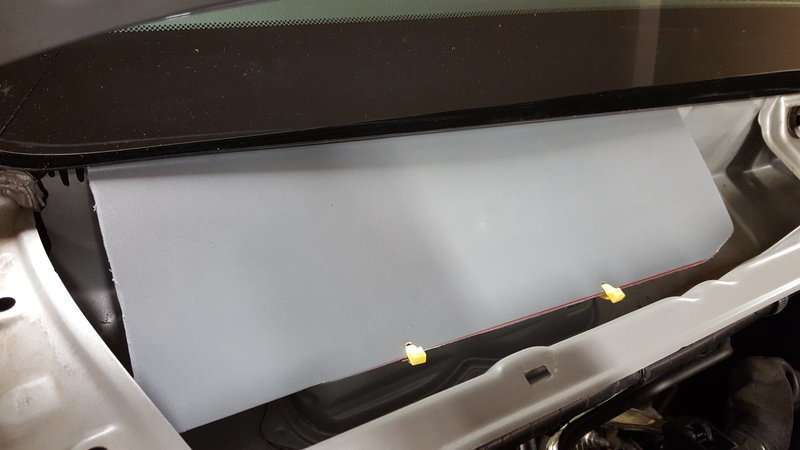
Looked at it again as it rained last night and today and there is no water entering. However, I discovered water is still clinging to the sheet metal above the hvac fresh air inlet along with a crack in it.
I wish toyota would have designed an opening from the top to access the hvac inlet. Crack where I noted it was dripping from before. Thinking about adding some silicone for a temporary fix. Water sticking to the sheet metal below the cowl. I have not looked into the cowl before from the hvac box. Maybe there was alway a little water dripping into the hvac?
Last edited by 84 yota dude; Jan 5, 2019 at 10:39 PM.
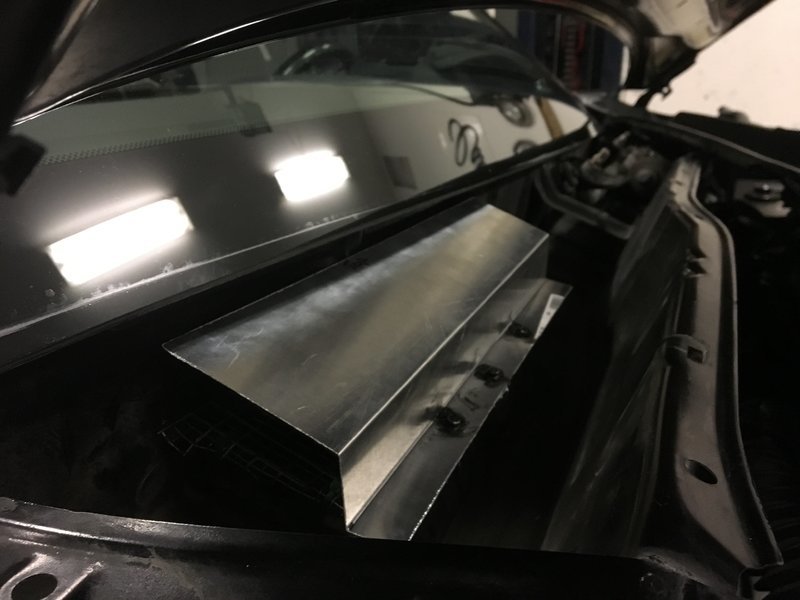
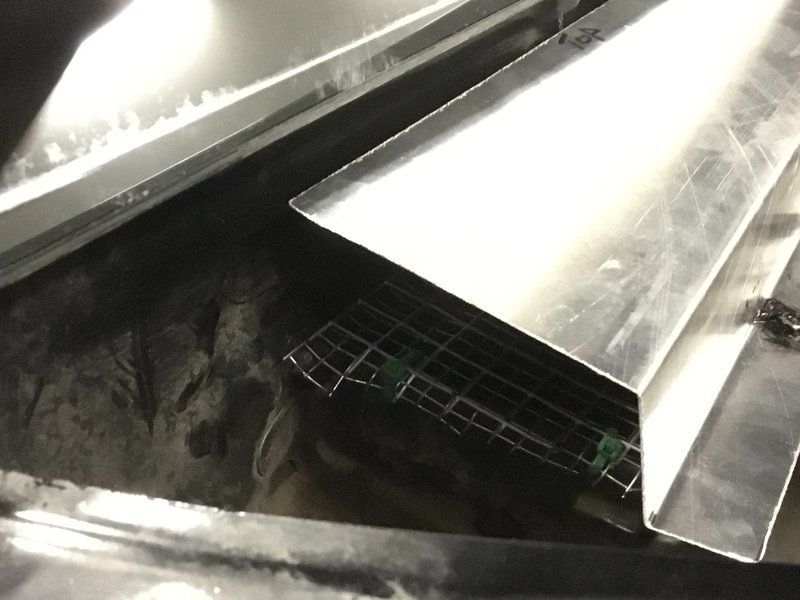
To finish up with the water leak. Here is what I am envisioning. Apparently some 2nd gen tacomas have a similar problem with water entering the fresh air inlet for the hvac system. https://www.tacomaworld.com/threads/...b.74506/page-4
Engine rebuild has begun!
This is an early graduation gift from my uncle. We are rebuilding it together in his shop. The bearings were in excellent shape despite the engine smelling like burnt oil.
This is a junkyard engine that he scored and we are rebuilding to then drop into my 4runner. We believe the bottom end is untouched, which is a huge score! Someone appeared to have done the timing chain and guides, but poorly. There was rtv everywhere on the front cover plus one timing chain guide was in pieces.
Now it's time for machining and purchasing parts.
Planning to purchase a new water pump, oil pump, pistons, rings, bearings, cam, and a complete toyota oem gasket kit.
We are going for a stock rebuild. Quality oem parts with reliability in mind.
My questions:
1. Reuse head bolts? Rod bolts? Crank bolts?
Yes, a major update! My cousin and I are installing a rebuilt 22RE engine we have been working on together! He was gracious to take on this project with me and use his shop. We are about ready to pull the engine. All the bell housing bolts are out!
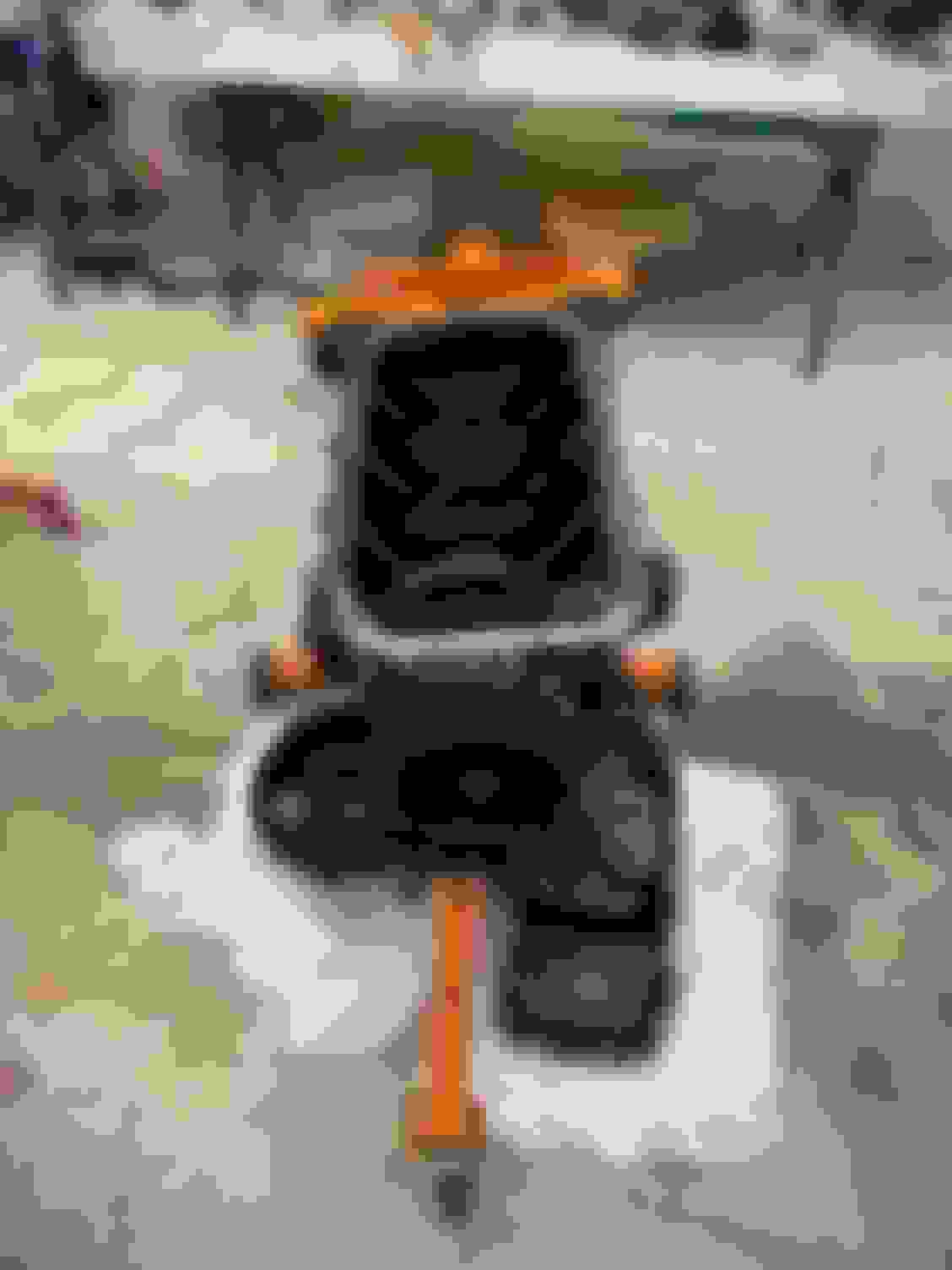
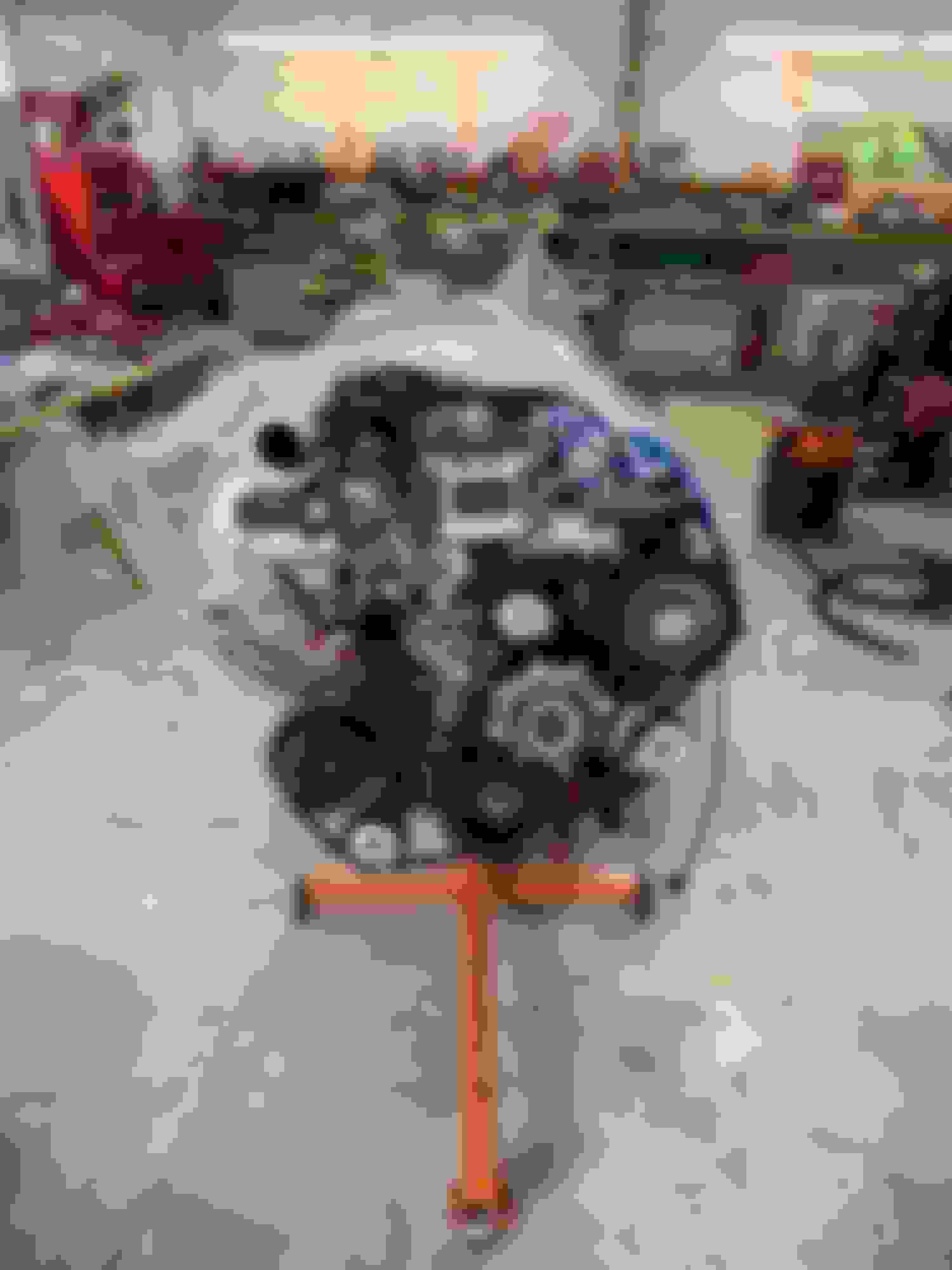
Curious what tips you guys have to line up the splines of the transmission when installing the new engine? As it sits now.
Our newly rebuilt engine! Lots of man hours into this.
In the shop. Grateful to have this space to use!
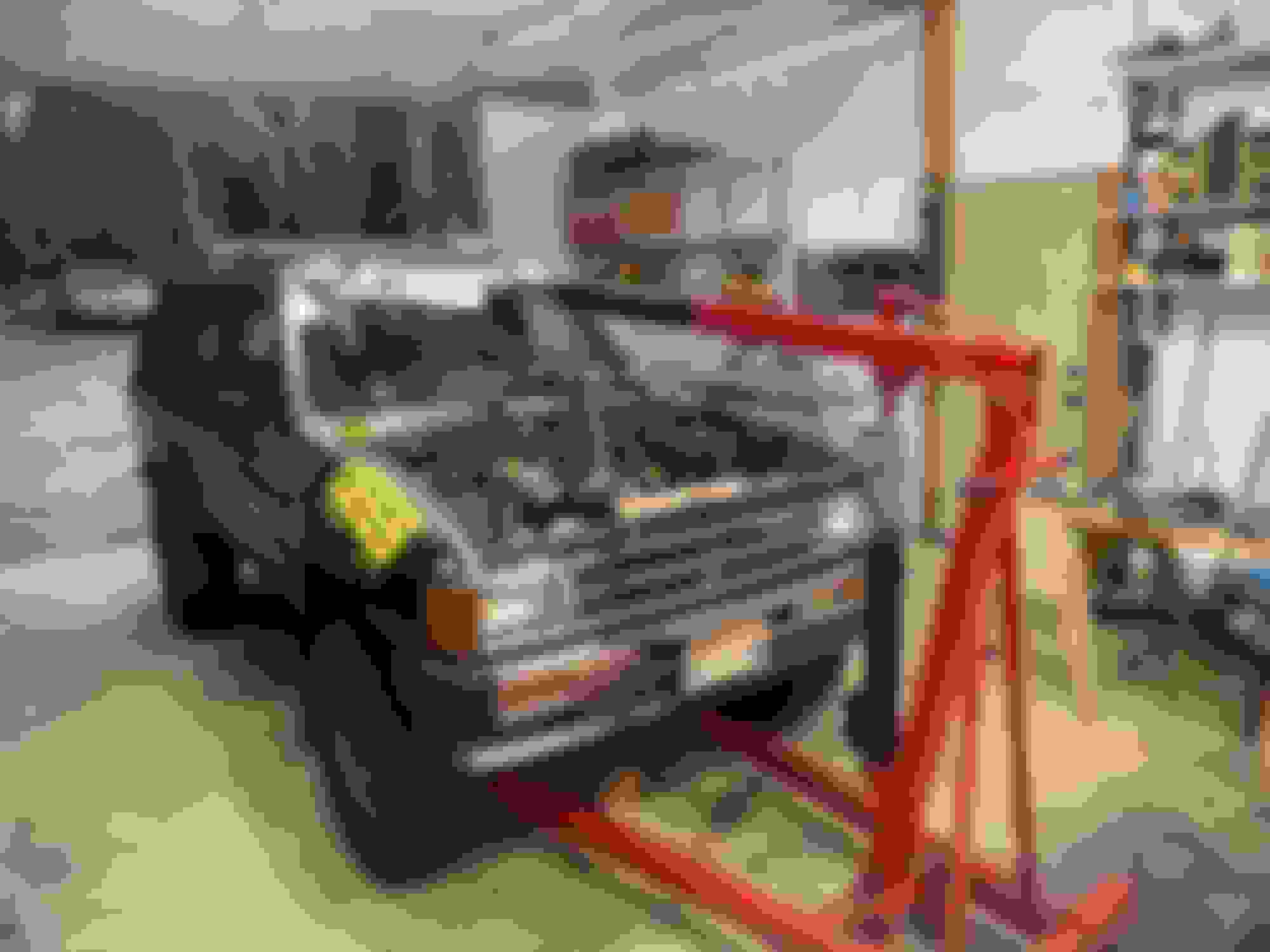
Hood off.
Engine almost out..
Last edited by 84 yota dude; Jul 18, 2019 at 08:15 AM.
When installing a transmission, I'll usually put the transmission in gear and rotate the output flange a little by hand to line up the input shaft splines with the clutch. Now if you don't want to remove the rear driveshaft to do this, you could put it in gear, and jack up one rear wheel just barely off the floor, then rotate that tire back and forth to rotate the splines.
Curious your guys opinion. We rebuilt the engine with a stock cam. It was in great shape. However, now would be the time to change the cam. Thinking a 268 engnbldr, now transferred to redline engine builders. https://www.redlineenginebuilders.co...enW8dP40Elg2IY
I've bought two different aftermarket cams, one from 22RE Performance, one from LCE. Neither made any noticeable difference. My engines were both otherwise stock. I don't think there is a lot to gain unless you do other supporting modifications. I'd recommend keeping the stock cam, especially if you already have the head torqued down since you'd have to replace the brand new head gasket to swap a cam. Plus a new cam requires new rockers and they aren't cheap.
Back to lining up the transmission splines when installing an engine, I just did this last night. What I did was leave the transmission in gear, and rotate the harmonic balancer by hand to line things up. If the engine is at TDC it's not too difficult to rotate back and forth a little bit with two hands.
Both cams were fairly mild performance cams. There are much more radical cams available but they don't all play nice with the stock fuel management system.



 Jan 5, 2019 | 10:37 PM