


ISO 86 22re ECM
 Nov 22, 2020 | 04:48 PM
#1

Thread Starter
Registered User
Joined: Nov 2020
Posts: 46
Likes: 6
ISO 86 22re ECM
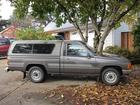
4runner took a dip in a hole a little too big for it and long story short i need an ECM. Hard as hell to find trucks like that in the nearby salvage yards. If anyones got a spare shoot me a price


Trending Topics
Nov 25, 2020 | 09:40 AM
#8

YT Community Team


Joined: Jan 2020
Posts: 2,253
Likes: 1,005
you might want to open it up and make sure there's no moisture, and maybe consult a local computer geek if there's a anti-corrosion spray you might apply on the inside of the ecu. Might be worth unhooking any connectors you think got submerged and maybe spraying with silicone or what ever the tech person recommends.
We dealt with a few flooded vehicle repairs and the electrical problems kept coming back months and months down the road as the corrosion spread.
We dealt with a few flooded vehicle repairs and the electrical problems kept coming back months and months down the road as the corrosion spread.
 Nov 25, 2020 | 11:20 AM
#10

Registered User

Joined: Jul 2005
Posts: 2,345
Likes: 657
From: Chiloquin, OR
A valid water remover for circuit boards and plugs, especially plugs since they have lots of little nooks and crannies where water can kinda hide and corrode over time, is actually WD-40. WD-40 is, by definition, a substance for displacing water. "Water Displacing compound #40".
Once it's been applied, you can then clean it off/out with some regular old rubbing alcohol, and a small brush, then apply the dielectric grease.
I spent a year or so, when I was in the Corps, as the boss of the Corrosion Control Shop for the entire Avionics Division in Yuma. Learned a lot of nifty little tips and tricks for cleaning, and protecting, all sorts of circuit boards and their associated plugs and connectors. I won't go into PD-680, or the various protective sprays for different circuit cards and so forth.
Good luck to you!
Pat☺
Once it's been applied, you can then clean it off/out with some regular old rubbing alcohol, and a small brush, then apply the dielectric grease.
I spent a year or so, when I was in the Corps, as the boss of the Corrosion Control Shop for the entire Avionics Division in Yuma. Learned a lot of nifty little tips and tricks for cleaning, and protecting, all sorts of circuit boards and their associated plugs and connectors. I won't go into PD-680, or the various protective sprays for different circuit cards and so forth.
Good luck to you!
Pat☺
Nov 25, 2020 | 12:56 PM
#11
Thread Starter
Registered User
Joined: Nov 2020
Posts: 46
Likes: 6
A valid water remover for circuit boards and plugs, especially plugs since they have lots of little nooks and crannies where water can kinda hide and corrode over time, is actually WD-40. WD-40 is, by definition, a substance for displacing water. "Water Displacing compound #40".
Once it's been applied, you can then clean it off/out with some regular old rubbing alcohol, and a small brush, then apply the dielectric grease.
I spent a year or so, when I was in the Corps, as the boss of the Corrosion Control Shop for the entire Avionics Division in Yuma. Learned a lot of nifty little tips and tricks for cleaning, and protecting, all sorts of circuit boards and their associated plugs and connectors. I won't go into PD-680, or the various protective sprays for different circuit cards and so forth.
Good luck to you!
Pat☺
Once it's been applied, you can then clean it off/out with some regular old rubbing alcohol, and a small brush, then apply the dielectric grease.
I spent a year or so, when I was in the Corps, as the boss of the Corrosion Control Shop for the entire Avionics Division in Yuma. Learned a lot of nifty little tips and tricks for cleaning, and protecting, all sorts of circuit boards and their associated plugs and connectors. I won't go into PD-680, or the various protective sprays for different circuit cards and so forth.
Good luck to you!
Pat☺
Nov 26, 2020 | 11:36 AM
#12
Registered User
Joined: Jul 2005
Posts: 2,345
Likes: 657
From: Chiloquin, OR
Remember to spray not only the front of the plug, where it attaches, but the back, where the wires come into the plug. Water is sneaky, and can hide in all kinds of little nooks and crannies, and then cause corrosion. If it gets to the back of the plug, it can go up into the insulation of the wires, and away it goes.
Beware, btw. WD-40 can soften SOME plastics. Most plugs are pretty safe, but things like electrical tape, and sometimes seals where wire looms come into the cab CAN be softened. If there's ANY doubt in you mind, spray a little onto a Q-Tip, and wipe a small area of the suspect material. You'll be able to tell pretty quickly, and easily. If the WD-40 softens the material, just use alcohol. Not AS effective, or as quick. Also, regular mineral oil can do the job. Water and oil don't mix, as they say.
WD-40 is also known to remove, or render ineffective, the "sticky" on the back of tape and so on. Just be careful where the spray goes. Holding a cloth or paper towel in the way works great for prevention of overspray. Works great on old bumper stickers, bugs, road tar, and such like, you want to get rid of, though
For plastics on the external of the truck, use Pledge. Makes it look almost new, and keeps things like bugs and so forth from sticking in the future. I used to use it on the windshield, and gas tank, of my motorcycles. Especially the police bike I had. Ton of fiberglass. Saddle bags, front fairing, etc.
Good fortune to ya, and a happy Thanksgiving, as well.
Pat☺
Beware, btw. WD-40 can soften SOME plastics. Most plugs are pretty safe, but things like electrical tape, and sometimes seals where wire looms come into the cab CAN be softened. If there's ANY doubt in you mind, spray a little onto a Q-Tip, and wipe a small area of the suspect material. You'll be able to tell pretty quickly, and easily. If the WD-40 softens the material, just use alcohol. Not AS effective, or as quick. Also, regular mineral oil can do the job. Water and oil don't mix, as they say.
WD-40 is also known to remove, or render ineffective, the "sticky" on the back of tape and so on. Just be careful where the spray goes. Holding a cloth or paper towel in the way works great for prevention of overspray. Works great on old bumper stickers, bugs, road tar, and such like, you want to get rid of, though
For plastics on the external of the truck, use Pledge. Makes it look almost new, and keeps things like bugs and so forth from sticking in the future. I used to use it on the windshield, and gas tank, of my motorcycles. Especially the police bike I had. Ton of fiberglass. Saddle bags, front fairing, etc.
Good fortune to ya, and a happy Thanksgiving, as well.
Pat☺
Nov 30, 2020 | 09:01 AM
#13
YT Community Team
Joined: Jan 2020
Posts: 2,253
Likes: 1,005
I read a tech website about wet circuit boards. I imagine it was geared to phones, etc., but pretty much the same issue.
They recommended removing the circuit board from the unit and then flushing with distilled water. This is to remove any salts that may have been in the water that the circuit board got exposed to. After rinsing and air drying they put the board in a bag with desiccant bags to remove any residual moisture, making sure the desiccant didn't come into contact with the board itself. They mentioned some using rice to remove moisture, but they weren't to keen on it.
They recommended removing the circuit board from the unit and then flushing with distilled water. This is to remove any salts that may have been in the water that the circuit board got exposed to. After rinsing and air drying they put the board in a bag with desiccant bags to remove any residual moisture, making sure the desiccant didn't come into contact with the board itself. They mentioned some using rice to remove moisture, but they weren't to keen on it.
Nov 30, 2020 | 11:56 AM
#14
Registered User
Joined: Jul 2005
Posts: 2,345
Likes: 657
From: Chiloquin, OR
Actually, rice works pretty well. Put the card in a plastic bag. Put the rice into a woman's nylon. Tie it shut, and put it into the plastic bag with the card. The next morning, dry as a bone. You won't have rice all over the card, either.
Having said that, a good place to find small desiccant bags is a firearm supply house of some kind. Whether on-line, or local, your choice.
Believe it or not, another source of desiccant is kitty litter! I've got a 5 lb bag of some that are the crystals like those in what's called a "cool-tube", and, believe it or not, diapers, and women's pads. The crystals absorb moisture like mad. If you soak them in water, they expand, and turn to a gel. If you then let them dry out again, they turn back into crystals. Some people use them to hold house plants. They hold the moisture you pour in, and sIowly release it to the plants. Good indicator that it needs watering again when it starts turning from the gel back into crystals. I took the kitty litter version I got, put some into a sock, put it inside another sock, and leave one in both my trucks. It absorbs the moisture out of the air in the truck when we're not driving it. Prevents fogging a lot.
Just a couple alternatives.
Pat☺
Having said that, a good place to find small desiccant bags is a firearm supply house of some kind. Whether on-line, or local, your choice.
Believe it or not, another source of desiccant is kitty litter! I've got a 5 lb bag of some that are the crystals like those in what's called a "cool-tube", and, believe it or not, diapers, and women's pads. The crystals absorb moisture like mad. If you soak them in water, they expand, and turn to a gel. If you then let them dry out again, they turn back into crystals. Some people use them to hold house plants. They hold the moisture you pour in, and sIowly release it to the plants. Good indicator that it needs watering again when it starts turning from the gel back into crystals. I took the kitty litter version I got, put some into a sock, put it inside another sock, and leave one in both my trucks. It absorbs the moisture out of the air in the truck when we're not driving it. Prevents fogging a lot.
Just a couple alternatives.
Pat☺

Thread
Thread Starter
Forum
Replies
Last Post
Fermin4
86-95 Trucks & 4Runners (Build-Up Section)
3
Aug 2, 2020 08:37 AM


