


Oil Sludge Monster Attacks!!

 Feb 22, 2009 | 06:39 PM
#42
Thread Starter
Registered User
Joined: Dec 2007
Posts: 710
Likes: 2
From: Santa Rosa, CA
Long day in the garage, made some progress, not sure where it will take us with the sludge beast, but progress none the less.
I want to acknowledge the opinions out there that this motor needs to be pulled, disassembled, tanked, etc, etc. In a perfect world and with unlimited funds, than a new or rebuilt motor would be in order.
We are trying something a little more on the conservative side money wise, but something that might end up with the motor failing. Time will tell.
This sludge is interesting stuff, like nothing I have ever dealt with in a motor. I would describe it as pervasive, yet wimpy. It is more like a thick grease than anything else. It does not have any gritty aspect to it, no structure, yet it was taking over the motor.
What we did today:
We shopvac'd both heads to suck out all of the large deposits. At first we were tentative on this method, but it went very well and very fast. With one guy using a small screwdriver to lift up the sludge and the other guy driving the vacuum, we were able to suck about 80% of the stuff out of the heads.
We removed both cams in each head and then vacuumed them out some more.
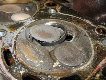
We then went to the diesel. We used a kitchen baster to wash out the heads with diesel fuel. There were not any "bits" there to wash down, but it got the diesel started on breaking down the sludge. We then scrubbed the inside of each head with soft nylon bristle brushes, adding more diesel to flush as we went. Where did the diesel and liquid sludge go? Into the pan down the drain holes. We put about 1/2 gallon of diesel through the heads to get it to a fairly clean state. Nothing like the picture above, that is beautiful. Pics later after I get a shower.
We alternated brushing and flushing to get to this point. Then we scrubbed up the cams and the bearing caps. Again with soft nylon brushes, no wire.
The PCV system was totally clogged, maybe a major reason why this happened. The valve covers cleaned up pretty good, but not the vent passageways behind the riveted on sheetmetal covers. We ended up putting them in a bucket with 5 gallons of diesel, crossing our fingers that they will clean up. If they do not, new valve covers are in order.
Then, we drained the crankcase. No chunks at all in the oil, just very black and very thick from all of the sludge we washed down there.
We then poured 1 1/2 gallons of diesel into the heads, down the drains to the pan. We are going to let that sit in the pan for a bit, then drain that out. If the diesel is black when it comes out, then it did it's job. If not, then it just sat there for a bit.
The next step we are going to take is to get the heads back together, timing belt, plenum, new valve covers if needed, etc. Then, we are going to pour 5 quarts of 5W30 and one quart of diesel into the crankcase. Start the motor and get it to temp. Then let it run for 20 minutes. shut it down, drain, and repeat until we see some cleaner oil coming out.
After that, we may go with a quart of ATF in the oil with a short oil change cycle, maybe every two weeks.
So, the right thing to do? Maybe, maybe not, opinions will vary. I would say it is a mildly aggressive path forward. The biggest risk is clogging the pickup screen or a high pressure port and losing a bearing. But, this motor was on deaths door, so drastic action is necessary. And if it needs a new bearing, it would have got them anyway if we had pulled it to rebuild.
Pics later.
Thoughts?
Mike
I want to acknowledge the opinions out there that this motor needs to be pulled, disassembled, tanked, etc, etc. In a perfect world and with unlimited funds, than a new or rebuilt motor would be in order.
We are trying something a little more on the conservative side money wise, but something that might end up with the motor failing. Time will tell.
This sludge is interesting stuff, like nothing I have ever dealt with in a motor. I would describe it as pervasive, yet wimpy. It is more like a thick grease than anything else. It does not have any gritty aspect to it, no structure, yet it was taking over the motor.
What we did today:
We shopvac'd both heads to suck out all of the large deposits. At first we were tentative on this method, but it went very well and very fast. With one guy using a small screwdriver to lift up the sludge and the other guy driving the vacuum, we were able to suck about 80% of the stuff out of the heads.
We removed both cams in each head and then vacuumed them out some more.
We then went to the diesel. We used a kitchen baster to wash out the heads with diesel fuel. There were not any "bits" there to wash down, but it got the diesel started on breaking down the sludge. We then scrubbed the inside of each head with soft nylon bristle brushes, adding more diesel to flush as we went. Where did the diesel and liquid sludge go? Into the pan down the drain holes. We put about 1/2 gallon of diesel through the heads to get it to a fairly clean state. Nothing like the picture above, that is beautiful. Pics later after I get a shower.
We alternated brushing and flushing to get to this point. Then we scrubbed up the cams and the bearing caps. Again with soft nylon brushes, no wire.
The PCV system was totally clogged, maybe a major reason why this happened. The valve covers cleaned up pretty good, but not the vent passageways behind the riveted on sheetmetal covers. We ended up putting them in a bucket with 5 gallons of diesel, crossing our fingers that they will clean up. If they do not, new valve covers are in order.
Then, we drained the crankcase. No chunks at all in the oil, just very black and very thick from all of the sludge we washed down there.
We then poured 1 1/2 gallons of diesel into the heads, down the drains to the pan. We are going to let that sit in the pan for a bit, then drain that out. If the diesel is black when it comes out, then it did it's job. If not, then it just sat there for a bit.
The next step we are going to take is to get the heads back together, timing belt, plenum, new valve covers if needed, etc. Then, we are going to pour 5 quarts of 5W30 and one quart of diesel into the crankcase. Start the motor and get it to temp. Then let it run for 20 minutes. shut it down, drain, and repeat until we see some cleaner oil coming out.
After that, we may go with a quart of ATF in the oil with a short oil change cycle, maybe every two weeks.
So, the right thing to do? Maybe, maybe not, opinions will vary. I would say it is a mildly aggressive path forward. The biggest risk is clogging the pickup screen or a high pressure port and losing a bearing. But, this motor was on deaths door, so drastic action is necessary. And if it needs a new bearing, it would have got them anyway if we had pulled it to rebuild.
Pics later.
Thoughts?
Mike




 sin jerry
Feb 22, 2009 | 08:18 PM
sin jerry
Feb 22, 2009 | 08:18 PM
#47

Registered User
Joined: Feb 2007
Posts: 365
Likes: 1
From: North Texas
Long day in the garage, made some progress, not sure where it will take us with the sludge beast, but progress none the less.
I want to acknowledge the opinions out there that this motor needs to be pulled, disassembled, tanked, etc, etc. In a perfect world and with unlimited funds, than a new or rebuilt motor would be in order.
We are trying something a little more on the conservative side money wise, but something that might end up with the motor failing. Time will tell.
This sludge is interesting stuff, like nothing I have ever dealt with in a motor. I would describe it as pervasive, yet wimpy. It is more like a thick grease than anything else. It does not have any gritty aspect to it, no structure, yet it was taking over the motor.
What we did today:
We shopvac'd both heads to suck out all of the large deposits. At first we were tentative on this method, but it went very well and very fast. With one guy using a small screwdriver to lift up the sludge and the other guy driving the vacuum, we were able to suck about 80% of the stuff out of the heads.
We removed both cams in each head and then vacuumed them out some more.
We then went to the diesel. We used a kitchen baster to wash out the heads with diesel fuel. There were not any "bits" there to wash down, but it got the diesel started on breaking down the sludge. We then scrubbed the inside of each head with soft nylon bristle brushes, adding more diesel to flush as we went. Where did the diesel and liquid sludge go? Into the pan down the drain holes. We put about 1/2 gallon of diesel through the heads to get it to a fairly clean state. Nothing like the picture above, that is beautiful. Pics later after I get a shower.
We alternated brushing and flushing to get to this point. Then we scrubbed up the cams and the bearing caps. Again with soft nylon brushes, no wire.
The PCV system was totally clogged, maybe a major reason why this happened. The valve covers cleaned up pretty good, but not the vent passageways behind the riveted on sheetmetal covers. We ended up putting them in a bucket with 5 gallons of diesel, crossing our fingers that they will clean up. If they do not, new valve covers are in order.
Then, we drained the crankcase. No chunks at all in the oil, just very black and very thick from all of the sludge we washed down there.
We then poured 1 1/2 gallons of diesel into the heads, down the drains to the pan. We are going to let that sit in the pan for a bit, then drain that out. If the diesel is black when it comes out, then it did it's job. If not, then it just sat there for a bit.
The next step we are going to take is to get the heads back together, timing belt, plenum, new valve covers if needed, etc. Then, we are going to pour 5 quarts of 5W30 and one quart of diesel into the crankcase. Start the motor and get it to temp. Then let it run for 20 minutes. shut it down, drain, and repeat until we see some cleaner oil coming out.
After that, we may go with a quart of ATF in the oil with a short oil change cycle, maybe every two weeks.
So, the right thing to do? Maybe, maybe not, opinions will vary. I would say it is a mildly aggressive path forward. The biggest risk is clogging the pickup screen or a high pressure port and losing a bearing. But, this motor was on deaths door, so drastic action is necessary. And if it needs a new bearing, it would have got them anyway if we had pulled it to rebuild.
Pics later.
Thoughts?
Mike
I want to acknowledge the opinions out there that this motor needs to be pulled, disassembled, tanked, etc, etc. In a perfect world and with unlimited funds, than a new or rebuilt motor would be in order.
We are trying something a little more on the conservative side money wise, but something that might end up with the motor failing. Time will tell.
This sludge is interesting stuff, like nothing I have ever dealt with in a motor. I would describe it as pervasive, yet wimpy. It is more like a thick grease than anything else. It does not have any gritty aspect to it, no structure, yet it was taking over the motor.
What we did today:
We shopvac'd both heads to suck out all of the large deposits. At first we were tentative on this method, but it went very well and very fast. With one guy using a small screwdriver to lift up the sludge and the other guy driving the vacuum, we were able to suck about 80% of the stuff out of the heads.
We removed both cams in each head and then vacuumed them out some more.
We then went to the diesel. We used a kitchen baster to wash out the heads with diesel fuel. There were not any "bits" there to wash down, but it got the diesel started on breaking down the sludge. We then scrubbed the inside of each head with soft nylon bristle brushes, adding more diesel to flush as we went. Where did the diesel and liquid sludge go? Into the pan down the drain holes. We put about 1/2 gallon of diesel through the heads to get it to a fairly clean state. Nothing like the picture above, that is beautiful. Pics later after I get a shower.
We alternated brushing and flushing to get to this point. Then we scrubbed up the cams and the bearing caps. Again with soft nylon brushes, no wire.
The PCV system was totally clogged, maybe a major reason why this happened. The valve covers cleaned up pretty good, but not the vent passageways behind the riveted on sheetmetal covers. We ended up putting them in a bucket with 5 gallons of diesel, crossing our fingers that they will clean up. If they do not, new valve covers are in order.
Then, we drained the crankcase. No chunks at all in the oil, just very black and very thick from all of the sludge we washed down there.
We then poured 1 1/2 gallons of diesel into the heads, down the drains to the pan. We are going to let that sit in the pan for a bit, then drain that out. If the diesel is black when it comes out, then it did it's job. If not, then it just sat there for a bit.
The next step we are going to take is to get the heads back together, timing belt, plenum, new valve covers if needed, etc. Then, we are going to pour 5 quarts of 5W30 and one quart of diesel into the crankcase. Start the motor and get it to temp. Then let it run for 20 minutes. shut it down, drain, and repeat until we see some cleaner oil coming out.
After that, we may go with a quart of ATF in the oil with a short oil change cycle, maybe every two weeks.
So, the right thing to do? Maybe, maybe not, opinions will vary. I would say it is a mildly aggressive path forward. The biggest risk is clogging the pickup screen or a high pressure port and losing a bearing. But, this motor was on deaths door, so drastic action is necessary. And if it needs a new bearing, it would have got them anyway if we had pulled it to rebuild.
Pics later.
Thoughts?
Mike
Feb 22, 2009 | 08:23 PM
#48
Thread Starter
Registered User
Joined: Dec 2007
Posts: 710
Likes: 2
From: Santa Rosa, CA
Some pics of what we did today.
First, vacuuming out the sludge. Notice the nice duct tape job to reduce the larger shop vac hose to the smaller inlet reducer nozzle. A nice piece of jethro engineering there.

Next, after removal of the cams and more vacuuming of the head. The sludge that is left is mostly a surface "smear".

And two shots of what we ended up with. This is after using #2 Diesel and soft nylon brushes. Not as clean as you would like, but all of the grease like sludge is gone, down to the hardened, baked on oil residue. We did a bit more work past this point, getting them a little cleaner.


We will fire it back up next weekend. Then we will see if the experiment worked.
Mike
First, vacuuming out the sludge. Notice the nice duct tape job to reduce the larger shop vac hose to the smaller inlet reducer nozzle. A nice piece of jethro engineering there.
Next, after removal of the cams and more vacuuming of the head. The sludge that is left is mostly a surface "smear".
And two shots of what we ended up with. This is after using #2 Diesel and soft nylon brushes. Not as clean as you would like, but all of the grease like sludge is gone, down to the hardened, baked on oil residue. We did a bit more work past this point, getting them a little cleaner.
We will fire it back up next weekend. Then we will see if the experiment worked.
Mike
Last edited by OutlawMike; Mar 29, 2010 at 09:23 AM.
 Feb 22, 2009 | 08:27 PM
#50

Registered User
Joined: Oct 2007
Posts: 797
Likes: 0
From: San Antonio, TX
I was thinking... do you think that maybe the prev owner knew he neglected it so started to use syn oil. Maybe the syn oil since it tends to flow better maybe just flowede around the sludge without doing anything to it?
Feb 22, 2009 | 08:47 PM
#51
Thread Starter
Registered User
Joined: Dec 2007
Posts: 710
Likes: 2
From: Santa Rosa, CA
Like has been said above, this motor is dead if we do nothing, so, we are trying something.
I should be interesting.
Feb 22, 2009 | 08:50 PM
#52
Thread Starter
Registered User
Joined: Dec 2007
Posts: 710
Likes: 2
From: Santa Rosa, CA
Mike
Feb 22, 2009 | 09:45 PM
#53
Registered User
Joined: Oct 2007
Posts: 797
Likes: 0
From: San Antonio, TX
No one is gonna know for sure but it it was more the consistentsy or grease and there was not really any debris you might be okay for the remaining normal life. I have seen some cars with sludge but kept going strong. Seems to be the ones that have gritty sludge are the ones that are doomed no matter what you do. Saw a WRX fail at 18k miles due to it never having on oil change. The sludge was the texture of playdough
Feb 23, 2009 | 05:25 AM
#55

Registered User
Joined: Sep 2007
Posts: 74
Likes: 3
From: Big Sandy, Texas
I myself would drop that pan, even tho it ment discinnecting the mounts and raising the engine. If it's that bad up top, I would be mighty skeered it was 5X worse in the pan, especially in the pick-up tube and screen. After doing that, get 3 cans of Sea Foam, and 5 filters and a couple of cases of good oil. run the Sea Foam thru it for 30 min mixed with the oil each time, do this about 5 times, pull the pan again, clean it well, then put the regular oil in it with the new filter. Should be fine after that. Starving ANY engine of oil with a blocked pick-up tube due to sludge will kill it outright.
Just sayin...................
Just sayin...................
Feb 23, 2009 | 07:21 AM
#56

Contributing Member
Joined: Nov 2002
Posts: 10,666
Likes: 5
From: Oklahoma State
Here's a little more info on sludge:
http://www.yotarepair.com/Sludge_Zone.html
Best of luck with it.
http://www.yotarepair.com/Sludge_Zone.html
Best of luck with it.
Last edited by mt_goat; Mar 24, 2010 at 08:25 AM.
Feb 23, 2009 | 08:35 AM
#57

Registered User
Joined: Nov 2005
Posts: 1,205
Likes: 1
From: SouthWest Littleton, Colorado
Here's a little more info on sludge:
http://www.geocities.com/chrislonghu...oil_bible.html
http://www.yotarepair.com/Sludge_Zone.html
Best of luck with it.
http://www.geocities.com/chrislonghu...oil_bible.html
http://www.yotarepair.com/Sludge_Zone.html
Best of luck with it.
Feb 23, 2009 | 09:09 AM
#58
Thread Starter
Registered User
Joined: Dec 2007
Posts: 710
Likes: 2
From: Santa Rosa, CA
I myself would drop that pan, even tho it ment discinnecting the mounts and raising the engine. If it's that bad up top, I would be mighty skeered it was 5X worse in the pan, especially in the pick-up tube and screen. After doing that, get 3 cans of Sea Foam, and 5 filters and a couple of cases of good oil. run the Sea Foam thru it for 30 min mixed with the oil each time, do this about 5 times, pull the pan again, clean it well, then put the regular oil in it with the new filter. Should be fine after that. Starving ANY engine of oil with a blocked pick-up tube due to sludge will kill it outright.
Just sayin...................
Just sayin...................
I tend to agree with you on the pan. I would like to get it off and remove as much of this stuff as possible in the pan, to give the motor the best chance to clean itself out after we start it up. My buddy agrees, so, we are going to tackle that this weekend.
I will look into Sea Foam. We will be doing at least 5 oil/filter changes on the first day with some type of additive in the oil, what exactly TBD. Lots of opinions out there on that end.
Thanks,
Mike
Feb 23, 2009 | 09:10 AM
#59
Thread Starter
Registered User
Joined: Dec 2007
Posts: 710
Likes: 2
From: Santa Rosa, CA
Here's a little more info on sludge:
http://www.geocities.com/chrislonghu...oil_bible.html
http://www.yotarepair.com/Sludge_Zone.html
Best of luck with it.
http://www.geocities.com/chrislonghu...oil_bible.html
http://www.yotarepair.com/Sludge_Zone.html
Best of luck with it.
Thanks for the links, we had seen those and got some good info there.
The moral of the story is to run synthetic and to change it every 3k, ignore any longer change interval recommendations.
Thanks,
Mike
Feb 23, 2009 | 09:13 AM
#60
Thread Starter
Registered User
Joined: Dec 2007
Posts: 710
Likes: 2
From: Santa Rosa, CA
No grit, which was wierd, but reassuring. I must have mashed a cup of that stuff in my palm on Sunday, looking for grit or some type of contaminate. The cam bearings look good. They look like they have 155k miles on them, but they look good. No scoring to speak of, a lightly used surface is what I would describe it as.
Next is the pan and the oil pickup.
Thanks,
Mike


