When you click on links to various merchants on this site and make a purchase, this can result in this site earning a commission. Affiliate programs and affiliations include, but are not limited to, the eBay Partner Network.
Would bigger wheel cylinder bore cause more rear braking?
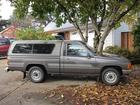
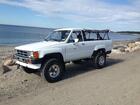
Hey guys im rebuilding the rear drum brakes on a 89 v6 pickup. The rear wheel cylinders were both different sizes. Im guessing previous owner accidentally miss matched the rear cylinders. Now im not sure which bore size it originally had.
single rear tire and the vin says 1/2 ton.
it has F18Q front calipers and its an extra cab
Based on this info from rock auto im leaning on getting the bigger bore.
Would a slightly bigger rear bore cause any issue?
Would the rear grab more than the front?
I’m not sure but i would guess that if the cylinder is larger in volume and the master is pushing the same amount of fluid, there would be less movement at the wheel cyl.
I'd think it'd be easier to just get the size that Toyota matched with the existing system. That way you don't have to worry about the master cylinder being under-sized, or making any adjustments to the proportioning valve. The vast majority of the actual braking is the responsibility of the front brakes. The rear brakes just makes sure the back of your vehicle doesn't try to pass up the front when braking, especially in turns.
I'd think it'd be easier to just get the size that Toyota matched with the existing system. That way you don't have to worry about the master cylinder being under-sized, or making any adjustments to the proportioning valve. The vast majority of the actual braking is the responsibility of the front brakes. The rear brakes just makes sure the back of your vehicle doesn't try to pass up the front when braking, especially in turns.
Thanks for the reply. As of right now i have confirmed i have a double diaphragm power booster. I also have a 1inch master brake cylinder. It also has the bigger calipers up front the F18Q as well. I think the 15/16 wheel cylinders would be the better choice. I'll report how it feels after the install.
I bleed the whole system. Lots of bubbles on the new wheel cylinders. After bleeding the system in order from furthest to closest. Do I need to bleed the load sensing proportioning valve? Ive never touched it before.
Dirty or not, it still needs to be bled out. Last.
Chances are good however it'll be full of crud. Take it apart and clean it real good, reinstall, and bleed it out, just like any other brake cylinder. But no matter what, bleed out the LSPV after all the others.
The LSPV can get frozen up. To confirm it’s operational, Unbolt the cross rod and drop it down. It rides against the plunger of the valve. When someone pushes your brake pedal you should see the plunger moving in and out of the valve body.
Yes, a bigger wheel cylinder bore would increase rear braking force. Larger bore cylinders push more fluid, resulting in more pressure on the brake shoes. This could cause the rear brakes to grab more than the front, especially if your front calipers remain unchanged, leading to potential instability or lock-up under hard braking. It's important to match the correct size to maintain proper brake balance. Double-check the specs for your truck to avoid over-braking in the rear. As a Law student, I had a major essay deadline coming up, and with my internship, I had no time to get it done. I found Academized’s academized.com/pay-for-essay pay-for-essay service, and it was a life-saver. The writer provided a well-researched essay that met all my requirements. It allowed me to focus on my internship without worrying about my academic deadlines.
Last edited by OliverReed; Oct 25, 2024 at 05:21 PM.



 Sep 30, 2024 | 11:05 AM