When you click on links to various merchants on this site and make a purchase, this can result in this site earning a commission. Affiliate programs and affiliations include, but are not limited to, the eBay Partner Network.
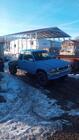
So I have been battling an overheating issue on one of my 3VZE (1993 so later half of them). I have read countless threads. Looking for guidance and further suggestions. I will provide context below and what I have done to try and remedy the situation.
First noticed the somewhat accurate gauge cluster temp gauge to rise to about 3/4 of the way only while going down hill. This was random and no work to the cooling system had been done in a about a year as this was a restoration and considered nearly fnished. The work done was new hoses (every water hose), radiator, ECT sensor, temp gauge sender, and thermostat. I bled the system properly on a slight incline with both front and rear heaters on.
The problem worsened after a few drives and it began overheating quicker and quicker regardless of what type of road. I installed an aftermarket water temp gauge. I found that the engine heats up within about 4 min to 180, then slowly climbs to 240 to 250 and hovers within there which is obviously way too hot. I inspected the motor and felt around. The lower hose was cold and the radiator and top hose were hot but I could hold onto them without getting burned. The water upper water outlet seems to be the hottest. None of the following new parts I have put on it seem to remedy the issue. Please note i bled and pressure tested the system (approx 13 psi and holds) after each new part.
- Water pump (timing belt and associated parts too)
- Radiator cap
- Water outlet/timing belt bearing
- Tried both a 180 and 160 thermostat with jiggle valves both at 6 and 12 o clock. 160 allowed to to stay cooler sooner. Odd is that with the 160 the lower hose actually gets warm now so 180 may have been defective.
- Bypassed the heaters temporarily, still no fix, prior to this i had good heat at both the front and rear heaters.
- Fan and fan shroud
- Fan clutch makes no noise and is in good condition, can rotate by hand with light resistance.
- Multiple rounds of pressurized flushes from various points including the throttle body and heater hoses
I explored the head gasket possibility. The truck allegedly had the recall done. Every time i have drained it (7 or 8 times now lol) the water and antifreeze have been clean. Engine runs perfect and idles spot on where it needs to be. Timing is at 12 deg btdc for a slight advance. No white smoke, no other head gasket signs. I have had the head gasket nightmare and know what the motor acts like and this does not mimic any of that.
Thank you all for reading and hopefully we can resolve this!
Last edited by MooseRunner; Sep 12, 2023 at 08:52 AM.
I'd pressure test the cooling system just to make sure it holds pressure, then block test to rule out a headgasket issue. Both tools you probably could borrow from the parts store loaner program. You most likely would have to buy the fluid used in the block tester, though. Doing a visual on both sides of the block looking for water stains would be a good idea, too. It's worth doing these tests just to take them out of the equation. Block tests can be tricky. You're looking for a color change from blue(good) to yellow(bad) in a fairly short period of time. you leave one on long enough and sure, you'll get a color change to some shade of green. That's inconclusive. Clean the tube and do it again. I think you should see a reaction in less than a minute if you had an issue.
If it passes both tests with flying colors then I'd ponder some sort of restriction. At this point we would typically pull the radiator and have it flow tested, but it looks like that is new.
Has this overheating issue always been there, or did this just start recently? what work was done just prior to you noticing the problem?
There is no way that a 1993 3vze has the original head gaskets. None.
I'd pressure test the cooling system just to make sure it holds pressure, then block test to rule out a headgasket issue. Both tools you probably could borrow from the parts store loaner program. You most likely would have to buy the fluid used in the block tester, though. Doing a visual on both sides of the block looking for water stains would be a good idea, too. It's worth doing these tests just to take them out of the equation. Block tests can be tricky. You're looking for a color change from blue(good) to yellow(bad) in a fairly short period of time. you leave one on long enough and sure, you'll get a color change to some shade of green. That's inconclusive. Clean the tube and do it again. I think you should see a reaction in less than a minute if you had an issue.
If it passes both tests with flying colors then I'd ponder some sort of restriction. At this point we would typically pull the radiator and have it flow tested, but it looks like that is new.
Has this overheating issue always been there, or did this just start recently? what work was done just prior to you noticing the problem?
There is no way that a 1993 3vze has the original head gaskets. None.
Pressure test done, I have the tool and rad cap adaptors. Holds pressure well. I have tested it after new parts and i only had one issue with a not fully tightened upper hose clamp but that was easily resolved.
I will look at purchasing a block test kit. I have not specifically checked for exhaust gasses in the cooling system.
No, the issue happened suddenly after approximatley three years of ownership. The work done prior to this were the hoses, thermostat, and radiator as there was a small crack in the old radiator (was not original) and i like to run silicone water hoses. I chose to replace the thermostat as it was pretty well worn and a new Aisin 180 was 7 bucks at the time. I addressed the sensors first after the overheating when thought it may be just the dash gauge malfunctioning which isnt uncommon.
Pressure test done, I have the tool and rad cap adaptors. Holds pressure well. I have tested it after new parts and i only had one issue with a not fully tightened upper hose clamp but that was easily resolved.
I will look at purchasing a block test kit. I have not specifically checked for exhaust gasses in the cooling system.
No, the issue happened suddenly after approximatley three years of ownership. The work done prior to this were the hoses, thermostat, and radiator as there was a small crack in the old radiator (was not original) and i like to run silicone water hoses. I chose to replace the thermostat as it was pretty well worn and a new Aisin 180 was 7 bucks at the time. I addressed the sensors first after the overheating when thought it may be just the dash gauge malfunctioning which isn't uncommon.
In my opinion doing a block test is a waste of time, especially when you have already done a pressure test.
If you leave the system pressured up for a while coolant will leak through a bad head gasket, even one that is just starting to leak, and will fill one or more cylinders. Pull the spark plugs and crank the engine, if coolant sprays out you found your problem.
but I would say that if you don't seem to be loosing coolant just overheating you have a different issue.
maybe the radiator is not passing fluid or not passing air (I have seen them completely packed with mud/bugs so no air would get through).
it is also possible that your fan clutch is actually bad even though it seems fine, I had overheating issues in my plow truck only when driving on the highway with the plow blocking the wind and when I replaced the fan clutch as a last hope all was well.
You have already covered a lot of bases, but you must be missing something, so here's my thoughts:
make sure coolant is moving
make sure it isn't vapor locked
make sure air is moving and the fan belt is tight
make sure everything is spinning the right way and you got the right water pump when you replaced it.
In my opinion doing a block test is a waste of time, especially when you have already done a pressure test.
If you leave the system pressured up for a while coolant will leak through a bad head gasket, even one that is just starting to leak, and will fill one or more cylinders. Pull the spark plugs and crank the engine, if coolant sprays out you found your problem.
but I would say that if you don't seem to be loosing coolant just overheating you have a different issue.
maybe the radiator is not passing fluid or not passing air (I have seen them completely packed with mud/bugs so no air would get through).
it is also possible that your fan clutch is actually bad even though it seems fine, I had overheating issues in my plow truck only when driving on the highway with the plow blocking the wind and when I replaced the fan clutch as a last hope all was well.
You have already covered a lot of bases, but you must be missing something, so here's my thoughts:
make sure coolant is moving
make sure it isn't vapor locked
make sure air is moving and the fan belt is tight
make sure everything is spinning the right way and you got the right water pump when you replaced it.
That is one thing i did not mention is that there did not appear to be any sort of coolant loss. Definitely the right water pump as far as part number, shape, and oil cooler tube option.
I can see coolant start to move when bleeding with the cap off. However once overheating it starts gushing out. I began using distilled water instead until I figure this out and I still have plenty of time before I put the truck away in the garage for the winter.
How could vapor lock in a cooling system be solved?
I can feel the air blowing above and underneath. The fan is new also...Aisin brand. Definitely on and spinning the right way and torqued per FSM.
Maybe there is an unknown blockage somewhere that normal flushing cannot help. Im skeptical about cooling system flush products, maybe worth a shot with the thermostat out? I tried running it with the thermostat out too btw and couldnt get it to seal at the thermostat housing. Didnt feel comfortable putting the thermostat gasket in by itself for fear of that getting chopped up and clogging.
Any chance the inlet hose is sucking shut? I have seen it happen on a backhoe that was supposed to have a spring inside the hose and it was left out. When you said silicone hoses I thought of that. I only saw that happen once in all my career but I never forgot it.
That is one thing i did not mention is that there did not appear to be any sort of coolant loss. Definitely the right water pump as far as part number, shape, and oil cooler tube option.
I can see coolant start to move when bleeding with the cap off. However once overheating it starts gushing out. I began using distilled water instead until I figure this out and I still have plenty of time before I put the truck away in the garage for the winter.
How could vapor lock in a cooling system be solved?
I can feel the air blowing above and underneath. The fan is new also...Aisin brand. Definitely on and spinning the right way and torqued per FSM.
Maybe there is an unknown blockage somewhere that normal flushing cannot help. Im skeptical about cooling system flush products, maybe worth a shot with the thermostat out? I tried running it with the thermostat out too btw and couldnt get it to seal at the thermostat housing. Didnt feel comfortable putting the thermostat gasket in by itself for fear of that getting chopped up and clogging.
I installed a Prestone Flush and Fill in the highest located coolant hose, the return heater core hose. It has a threaded Tee-fitting for attaching a hose to flush. I also works great for letting out all the air in the coolant system. Uncap it, run the engine with the heater core valve fully open, the let it burp the system. Keep coolant on hand to fill when the water level goes down. Then when no more burping, fill to the very top edge of the inlet to keep air out, and screw on the cap. Over heating issue went a way.
May not be your issue but it sure eliminates a possibility.
If your radiator has a greater than 25 degree difference in temperature between top and bottom hose, then it's not flowing properly. An awesome radiator only drops the temp about 20 degrees. If it's boiling over and still has a cold bottom hose. Id flow test radiator.
Any chance the inlet hose is sucking shut? I have seen it happen on a backhoe that was supposed to have a spring inside the hose and it was left out. When you said silicone hoses I thought of that. I only saw that happen once in all my career but I never forgot it.
Originally Posted by aztoyman
Any chance a rag or plug or something got left inside?
Also, the lower hose should not be cold. Cooler than the top but not cold. Sounds like the coolant isn't flowing for whatever reason.
If your heater hoses are just looped together, that coolant will just keep recirculating in the block and not make it to the radiator.
None that can be observed. Highly doubt it, maybe some shipping material from the new radiator? I have pulled the water hoses off to be sure no plastic or anything was in them either. I flushed the radiator yesterday as a standalone detached unit on the off chance, great flow and nothing came out.
Replacing the thermostat I speculated may have been defective fixed that issue a couple days ago. The lower hose is warm not and not cold and it does not heat up as quickly so there is some progress on that front.
Originally Posted by JoeS
I installed a Prestone Flush and Fill in the highest located coolant hose, the return heater core hose. It has a threaded Tee-fitting for attaching a hose to flush. I also works great for letting out all the air in the coolant system. Uncap it, run the engine with the heater core valve fully open, the let it burp the system. Keep coolant on hand to fill when the water level goes down. Then when no more burping, fill to the very top edge of the inlet to keep air out, and screw on the cap. Over heating issue went a way.
May not be your issue but it sure eliminates a possibility.
Thank you for this suggestion. I had tried flushing it a few times from this point but never tried bleeding it. It is higher than the radiator so I will give this a shot!
Originally Posted by Dernation
If your radiator has a greater than 25 degree difference in temperature between top and bottom hose, then it's not flowing properly. An awesome radiator only drops the temp about 20 degrees. If it's boiling over and still has a cold bottom hose. Id flow test radiator.
Good to know, thank you. I tried flushing the radiator as a standalone detached unit. Flowed great with no pressure loss visible coming out of the outlets. Im sure some was lost as Im using a high pressure hose and fitting but nothing came out either.
Originally Posted by Hairyberry
I never saw it happen on a yota but I’ve pulled VW water pumps off and the impeller had fell off
Good thought. I would mark this as eliminated as a possibility. When this all started I actually re did the water pump and timing belt job to see if the new part had failed and all was intact and spinning as it should. Still appreciate your suggestion thought thank you.
I will report back mid next week on this. Thank you all for your assistance thus far.
An easy way to make sure a 3vz block is completely filled is to take the top radiator hose lose at the radiator,
rotate the hose to vertical on the engine outlet, and slowly fill the block from the top hose.
Some stock type copper radiators have a little 'dam' inside the tank at the top inlet, that makes it appear that the radiator is filled full while the block remains less than filled.
From: exo-reality -wave if you see me; Front Range, CO
Not to hijack your thread MooseRunner, but JoeS, millball and Jimkola got me thinking.
I am just now hopeully getting a leak on my 95 (also rear heater) resolved. Had a hairline crack (casting flaw actually) on the top manifold outlet, and also ended up paying retail plus (LOL) at local stealership for Gin-U-Wine Toyota intake manifold gaskets. (Posted the saga in the 3rd gen forum (it's actually now a 5VZ). Held 13 lbs for 45 some minutes. But I had occaision to remove top hose. And this vehicle also has one of JoeS's gizmos. Thought it be a good idea to put that bad boy back on. The top hose was empty. Pulled it off at the outlet pipe. Had bled pressure from JoeS' little deal until it pushed fluid. So assumed it was full. Also lost track of how much I put back in vs. spilled.
Have not started it again yet (that was this weekend) because I just got the oil pump back on. Yes. A true saga of retardation I guess.
But now I'm thinking might have to locate one of them Suction/fill jobies as seen on 'tube. Spozedly gar-ran-teed to eliminate bubbles.
Please post how it goes.
Not to hijack your thread MooseRunner, but JoeS, millball and Jimkola got me thinking.
I am just now hopeully getting a leak on my 95 (also rear heater) resolved. Had a hairline crack (casting flaw actually) on the top manifold outlet, and also ended up paying retail plus (LOL) at local stealership for Gin-U-Wine Toyota intake manifold gaskets. (Posted the saga in the 3rd gen forum (it's actually now a 5VZ). Held 13 lbs for 45 some minutes. But I had occaision to remove top hose. And this vehicle also has one of JoeS's gizmos. Thought it be a good idea to put that bad boy back on. The top hose was empty. Pulled it off at the outlet pipe. Had bled pressure from JoeS' little deal until it pushed fluid. So assumed it was full. Also lost track of how much I put back in vs. spilled.
Have not started it again yet (that was this weekend) because I just got the oil pump back on. Yes. A true saga of retardation I guess.
But now I'm thinking might have to locate one of them Suction/fill jobies as seen on 'tube. Spozedly gar-ran-teed to eliminate bubbles.
Please post how it goes.
I would suggest after a couple of times driving the truck to get the coolant hot, fully cycled, and swashed about, then pop the tee cap to check the level again. If coolant is low, top it off. Some times air can get trapped in a dead pocket that driving motion helps set free. The tee makes this an easy no tool task. Why they don't put them in at the factory is beyond me. Good luck.
No worries. All relevant and good information here others may benefit from.
Made some progress today. Tried burping from the heater hoses and unfortunately no change. I decided to run an actual flush product. Poured half in from the highest heater hose and the other in the radiator. Filled the rest of the system via the heater hose.
The truck heated up slower than normal and hovered around the 190s, then it quickly shot up to the 240 range for maybe 8 seconds then slowly climbed down to 212. I revved it a few times at the throttle and watched it hover around 208 for about a min before climbing back up. First time it ever cooled off that much on its own since the issue first started.
I checked the fluid in the radiator and there were small tan colored chunks of old scale. I'm now leaning towards the blockage theory. Maybe my flush after first completing the cooling system work moved some gunk around instead of blowing it out and this is wearing it down finally? Ran out of time today but to be continued...
I'd run a 2nd and clean/flush to see if it helps even more as the 1st did some. Then check the thermostat to see if it is gunked up from any chunks. Quick and easy check to be sure.
I'd run a 2nd and clean/flush to see if it helps even more as the 1st did some. Then check the thermostat to see if it is gunked up from any chunks. Quick and easy check to be sure.
That's the plan! I got two bottles of Prestone flushing agent. I havent been able to drive this for more than a few miles in some time for fear of risking damage from the overheating. Hoping the circulation from driving and varying inclines and RPMs will help.
Last edited by MooseRunner; Sep 20, 2023 at 07:37 PM.
From: exo-reality -wave if you see me; Front Range, CO
Syncronicity. I stumbled across a few 'tube channels testing this "Thermocure" stuff. They seemed pretty impressed with ability to clean out rust scale.
Not financial advice. OTOH they are 'tube channels, aren't they?



 Sep 12, 2023 | 07:49 AM