When you click on links to various merchants on this site and make a purchase, this can result in this site earning a commission. Affiliate programs and affiliations include, but are not limited to, the eBay Partner Network.
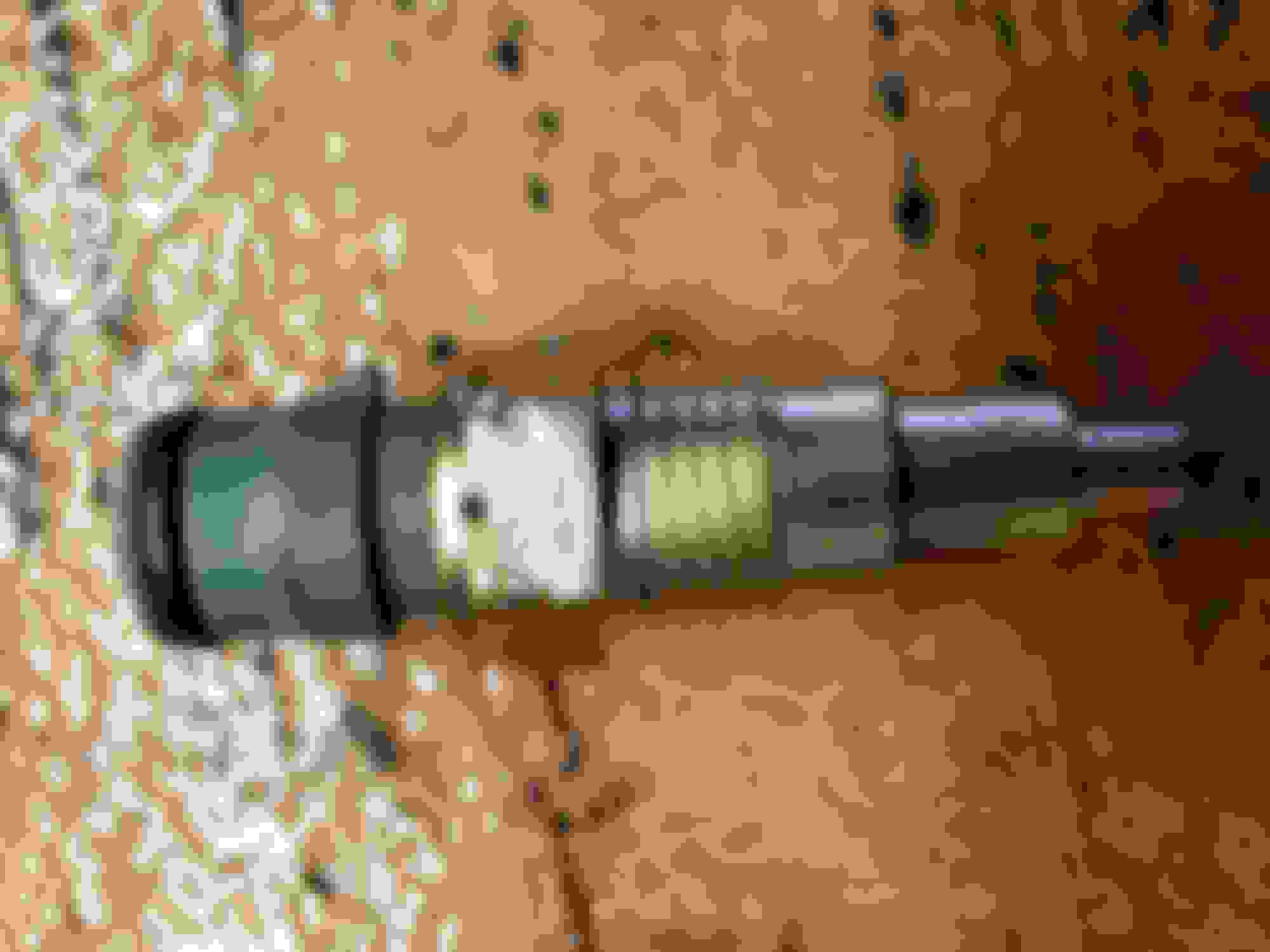
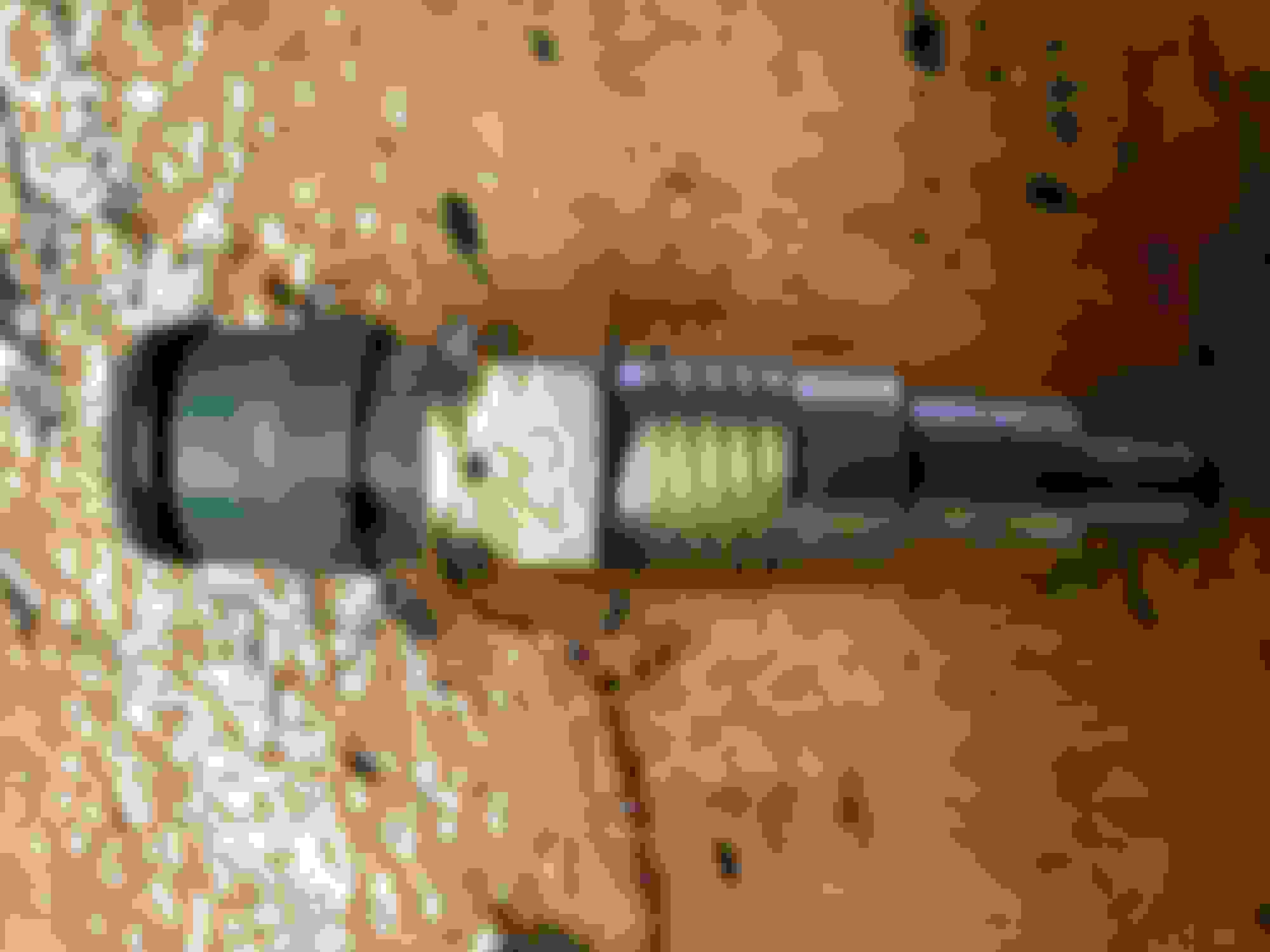
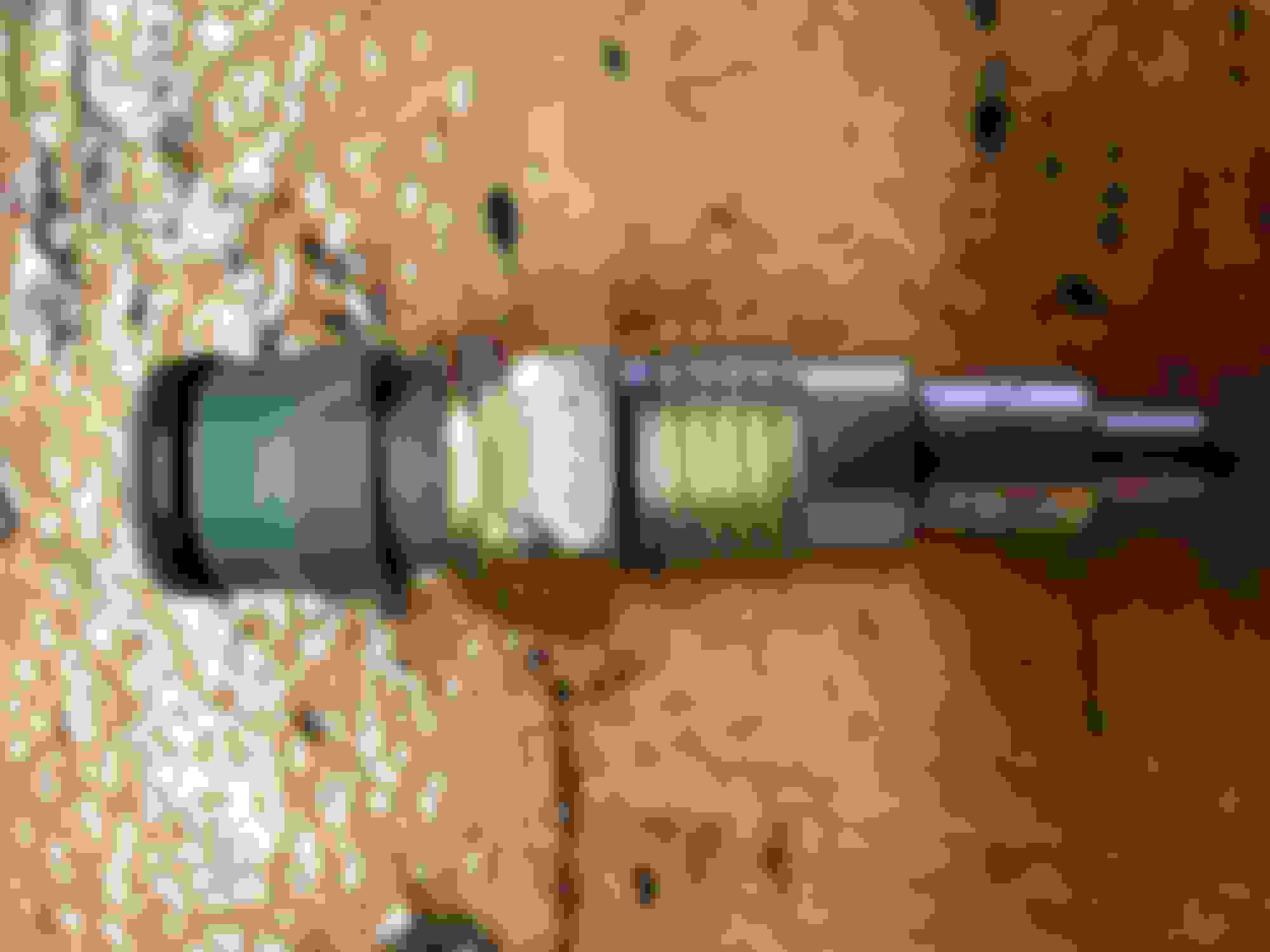
i have a 1994 toyota pick up 4x4 withan automatic transmission and a 3.0 motor, my ac compressor will stop working. Sometimes when i wiggle the connector the compressor will kick back on, it no longer works when i wiggle the connector. I jumped the compressor and it works so the problem is either the conmector or the sensor. I took the connector apart and soldered and epoxied the connector bak. I cant find what exactly this sensor is called, and if anyone knows where to purchase another one let me know. Ive been having this problem and tried to track it down for months. It has one wire going to it. Black. Or a dark color with a white stripe. It is locatd at the back of thhe motor on the water bypass
If you don't spend a lot of time grinding up hills in the baking heat with the A/C on, you might be able to get away with bypassing the sensor by grounding the wire. That will hold the relay closed and the A/C will work. Not the right solution, but may be the one you need to consider.
I live in arizona,,,,, and do drive in mountiats a bit . Lol is there a way to test to see if its the sensor. I did a continuity test on the connector ti did fine , just wondering why it would work sometimes when i wiggled the wire that seems pretty solid , no wiggle room
99% of the time, "wiggle to work" means a problem with the connector or wire, not the sensor. But you also need to rule out coincidence; maybe the A/C Amplifier just commanded compressor-on at the same time you were reaching for the connector.
Testing the sensor is pretty simple. As I read the schematic, the sensor is normally-closed, so just use your ohmmeter (be sure to wiggle, in case the sensor is cracked internally). You could also wire it up and drop it into boiling water to see if it is opening at a too-low temperature. Finally, you could wire in your ohmmeter, stick the meter in the cab, and drive around.



 Jan 13, 2019 | 04:30 PM