
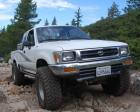
I just bought a 1988 Toyota P/U 4x4 with the 22-RE motor and 5 speed manual. I was underneath it changing the engine/tranny/transfer oils and I noticed the rear differential was leaking around where the driveshaft connects to it. What is involved in fixing that leak? Do I just remove the driveshaft and flange then replace the seal?
I think this is a fairly recent occurance because there isn't much oil spray under the truck but you can see some on the shocks, axle, and brake backing plates.
https://i.imgur.com/poqCH.jpg
https://i.imgur.com/ekbIb.jpg
https://i.imgur.com/enshr.jpg
I think this is a fairly recent occurance because there isn't much oil spray under the truck but you can see some on the shocks, axle, and brake backing plates.
https://i.imgur.com/poqCH.jpg
https://i.imgur.com/ekbIb.jpg
https://i.imgur.com/enshr.jpg


Registered User
No it is not that simple. I wish it was. You have to get pinion bearing preload and the correct backlash and some other fun stuff. Check out 4crawlers website...http://www.4crawler.com/4x4/CheapTri...eal/index.html


Quote:
Originally Posted by Dras16
No it is not that simple. I wish it was. You have to get pinion bearing preload and the correct backlash and some other fun stuff. Check out 4crawlers website...http://www.4crawler.com/4x4/CheapTri...eal/index.html
The seal is that simple. Pull drive shaft, then pull yoke off, replace seal then put it back together. I did mine this weekend, you dont have to do the bearings. Took me under an hour.

Registered User
Quote:
I agree, it's simple. One tip I found, put the new seal in the freezer for a couple of hours before installation. Then put a tacky greese on the outside and inner lip of the seal and it will slide in like butter. Originally Posted by RE-RE
The seal is that simple. Pull drive shaft, then pull yoke off, replace seal then put it back together. I did mine this weekend, you dont have to do the bearings. Took me under an hour.
I too did it in less than an hour.
Thanks guys. I'm sure glad I found this site. I'm a well knowledged member on some minibike forums so it's weird to be on the other side of a question. We'll see how it all goes within the next couple days or so hopefully.
Registered User
Quote:
I too did it in less than an hour.
rtv on the outside, grease on the inside.Originally Posted by snobdds
I agree, it's simple. One tip I found, put the new seal in the freezer for a couple of hours before installation. Then put a tacky greese on the outside and inner lip of the seal and it will slide in like butter. I too did it in less than an hour.
^ can you clarify on what you mean here? Put grease on inner lip to assist install of seal I get, but why the rtv on the other side? Double insurance to keep it from leaking? And is this rtv application between the seal and the diff or between seal and pinion/flange? And is it a before sliding in application or after? I need to do mine soon. I have seal and a harbor freight puller waiting, just wasn't sure on driver. I'll def put seal in freezer before install if it helps. You guys using a seal driver or a makeshift tool?
Registered User
ok well I guess I was wrong but you should still make sure you have the proper pinion bearing preload.

Registered User
no dras you are right... I replaced my pinion seal before and followed the FSM's instructions to the dot reinstalling the flange and even using a new stake nut... well in 2000 miles the ring and pinion failed! verdict? bad preload and not to mention the bearings were already on their last legs
I now have a completely new built rear end, and if the seal leaks down the road, I'm just going to leave it alone till it gets really bad... and when that happens, I'm taking the whole 3rd member off to do a "refresh"
it was an expensive lesson, but on the bright side I now have a limited slip
I now have a completely new built rear end, and if the seal leaks down the road, I'm just going to leave it alone till it gets really bad... and when that happens, I'm taking the whole 3rd member off to do a "refresh"
it was an expensive lesson, but on the bright side I now have a limited slip

Registered User
Quote:
Technically, you are rightOriginally Posted by Dras16
ok well I guess I was wrong but you should still make sure you have the proper pinion bearing preload.
Quote:
I now have a completely new built rear end, and if the seal leaks down the road, I'm just going to leave it alone till it gets really bad... and when that happens, I'm taking the whole 3rd member off to do a "refresh"
it was an expensive lesson, but on the bright side I now have a limited slip
I had the same experience. The rear never gave me any trouble until i did that seal then it just went to hellOriginally Posted by The MAN
no dras you are right... I replaced my pinion seal before and followed the FSM's instructions to the dot reinstalling the flange and even using a new stake nut... well in 2000 miles the ring and pinion failed! verdict? bad preload and not to mention the bearings were already on their last legsI now have a completely new built rear end, and if the seal leaks down the road, I'm just going to leave it alone till it gets really bad... and when that happens, I'm taking the whole 3rd member off to do a "refresh"
it was an expensive lesson, but on the bright side I now have a limited slip
Registered User
Quote:
Note I said tacky grease. If you put some tacky grease, like wheel bearing grease, on the outside of the seal, not only will it help to slide in, but also it will form a grease seal between two surfaces. I have never, nor will I start now, to use RTV on the outside of any seal. That is not the correct way to put it in. Originally Posted by jason191918
rtv on the outside, grease on the inside.
As for greasing up the inner lip, it will just help to prevent the seal from dry rubbing the bearing during the first few moments of driving after replacing. It will buy you some time until the diff oil works it’s way back into the third member. It’s just a good practice to get into.


